English
What are the three types of woven fabric?
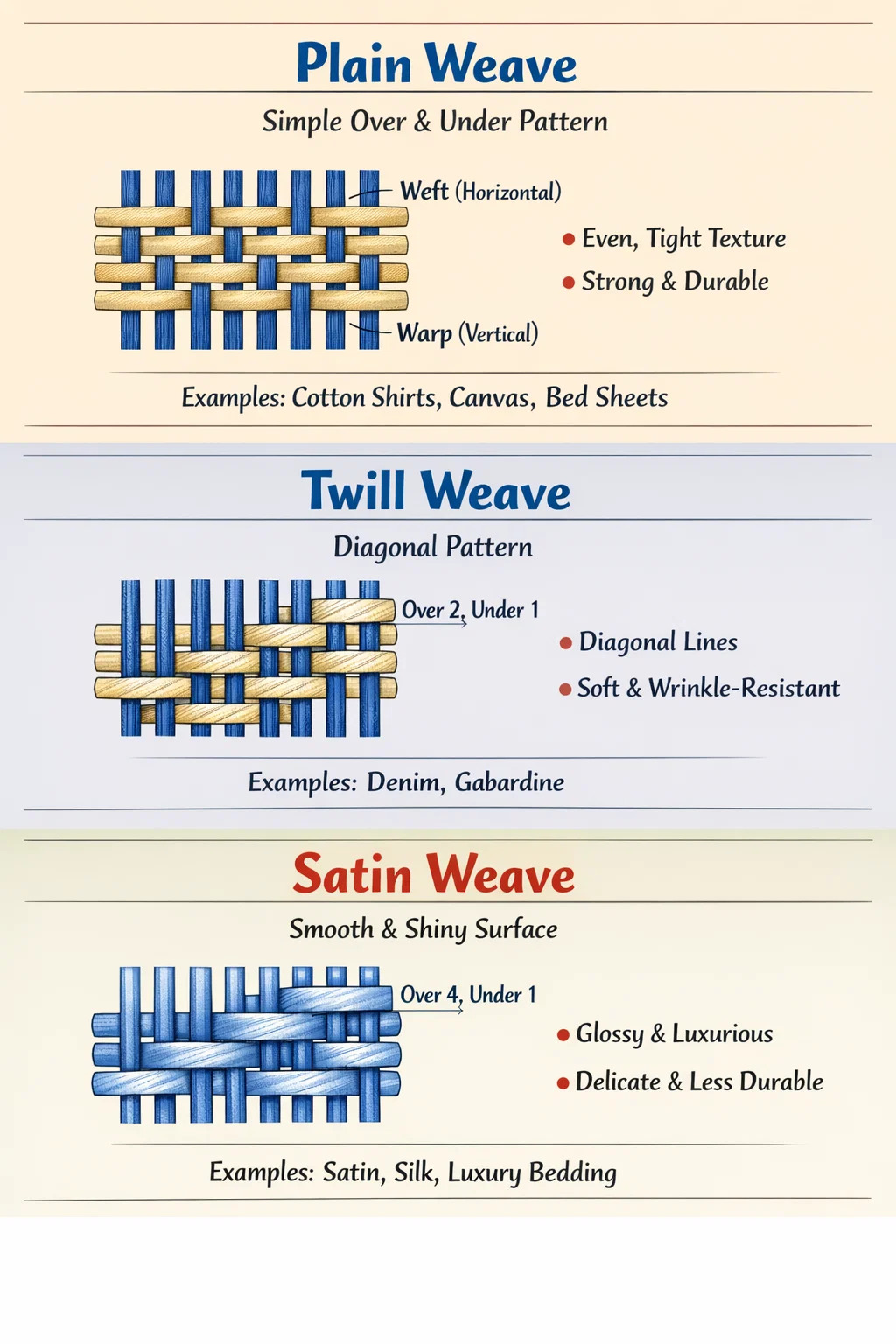
In the textile industry, almost all woven fabrics are derived from three basic weaving techniques. These three weaving methods determine the fabric's appearance, durability, and feel.
Content
We can imagine them as three different "ways of crossing threads":
1. Plain Weave
This is the simplest and most common woven fabric structure.
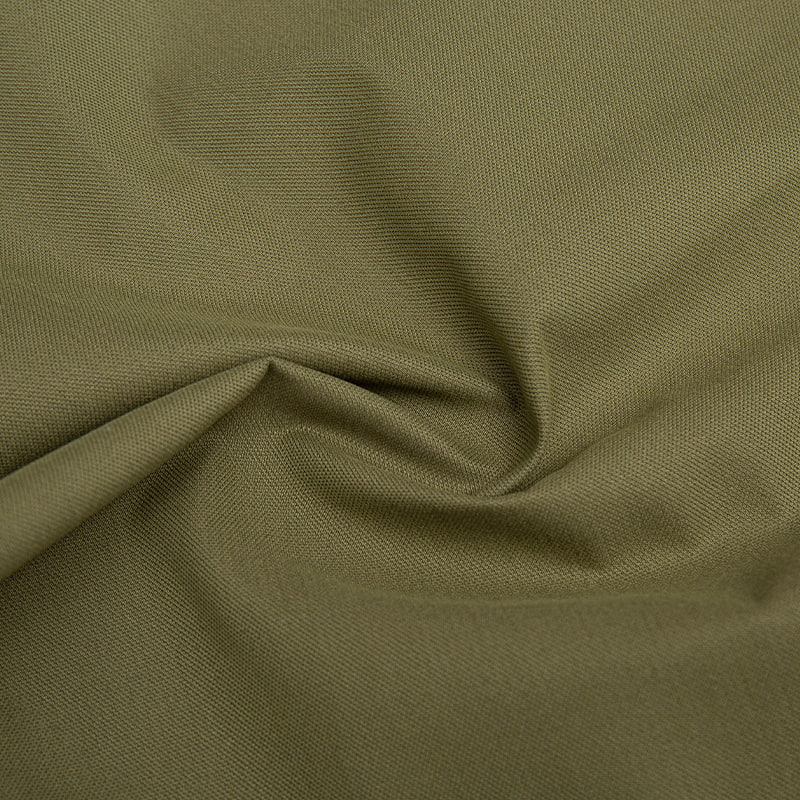
Weaving principle: Like weaving a bamboo basket, a horizontal thread (weft) simply passes over one vertical thread (warp) and then under the next, and so on.
Appearance and characteristics: It looks exactly the same from the front and back. Because it has many interlacing points, it is the strongest and most durable of the three weaving methods.
Examples in daily life: Ordinary cotton shirts, fine fabrics, canvas, and plain weave fabrics used for bed sheets all belong to this category. Although it's not very shiny, it's very durable.
2. Twill Weave
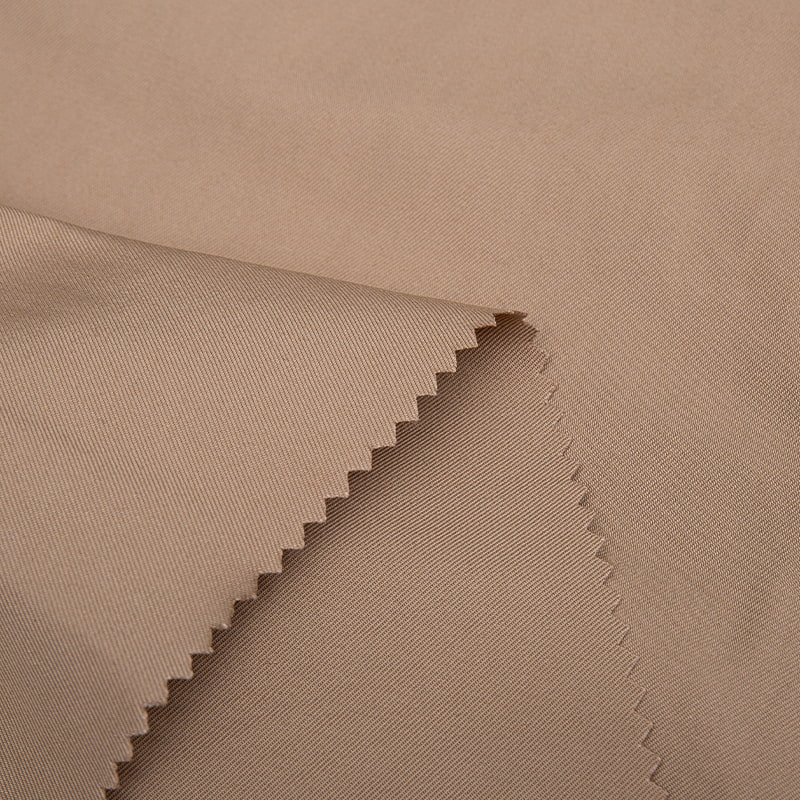
If you look closely at your jeans, you'll see diagonal lines on the surface – this is twill.
Weaving principle: When the horizontal thread passes over the vertical threads, it skips two or three vertical threads at a time, and each row shifts one position to the side. This staggered arrangement creates a visually diagonal pattern.
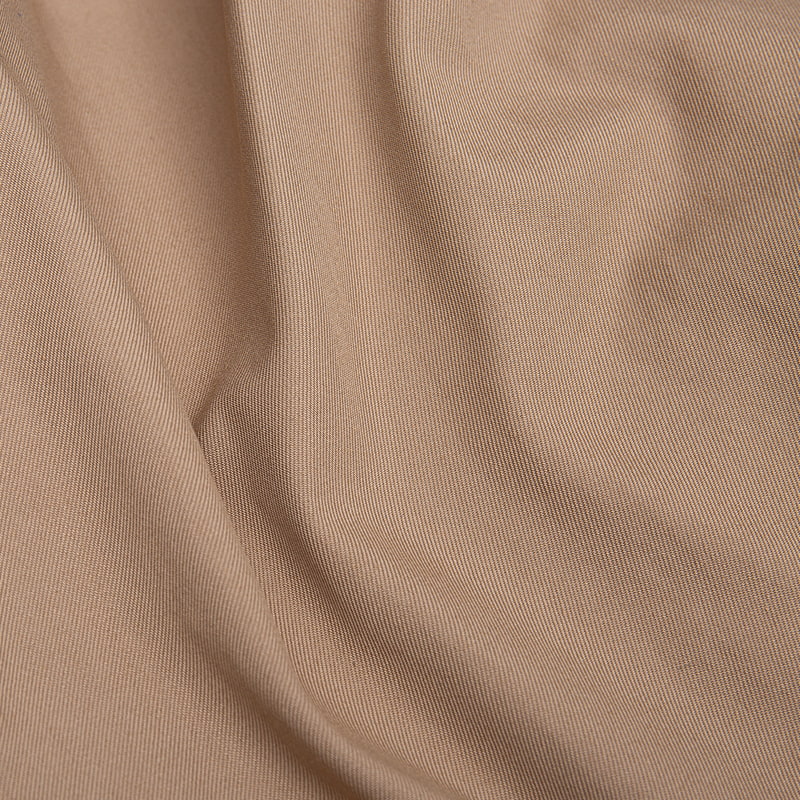
Appearance and characteristics: This woven fabric is usually thicker and heavier than plain weave. Because there are fewer interlacing points between the threads, the fabric is softer, easier to fold, and very wrinkle-resistant.
Examples in daily life: The most typical example is denim. In addition, gabardine commonly used in men's suits and work clothes often uses twill weave because it is both durable and hides dirt well.
3. Satin Weave
This is the most "high-end" and smoothest of the three.
Weaving principle: The horizontal thread crosses over a long distance (usually more than four vertical threads) before interlacing. This means that most of the fabric surface consists of long, parallel segments of threads. Appearance and Characteristics: This woven fabric has a very smooth, shiny surface with excellent reflective properties. However, because it has fewer interlacing points, it is more delicate, prone to snagging, and less durable than the previous two types.
Real-life Examples: Satin used in weddings or silk pajamas. If you see "long-staple cotton satin weave" on bedding packaging, it means the duvet cover will feel as smooth as silk.
 PREV
PREV