English
What is the basic woven fabric?
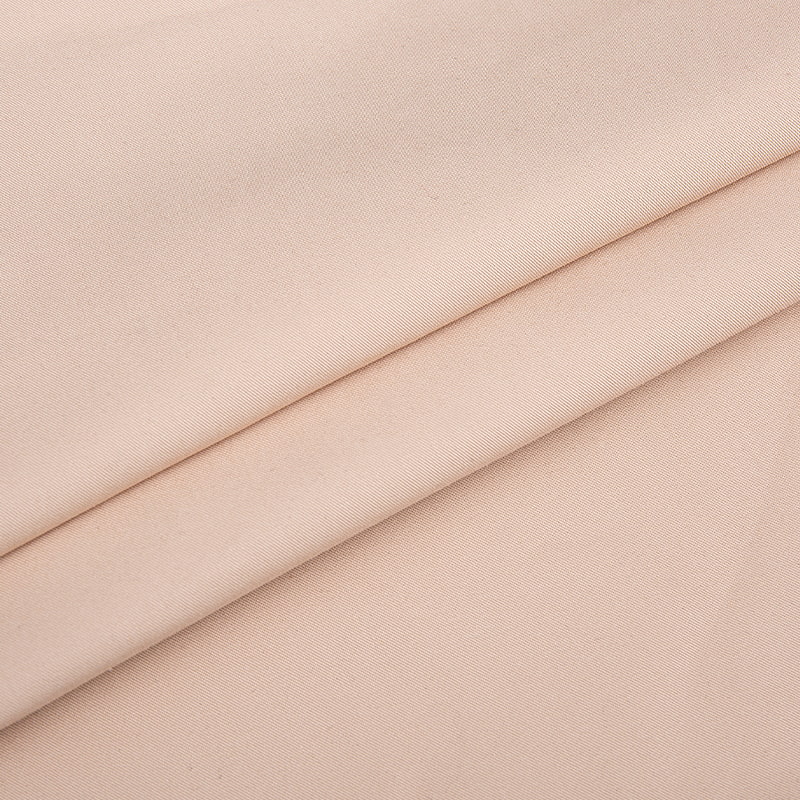
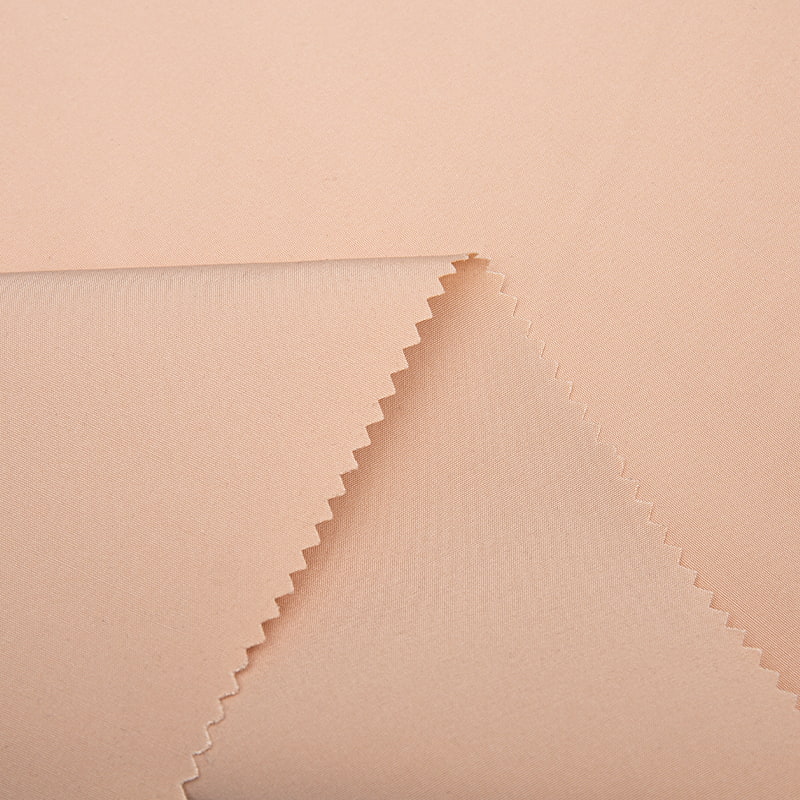
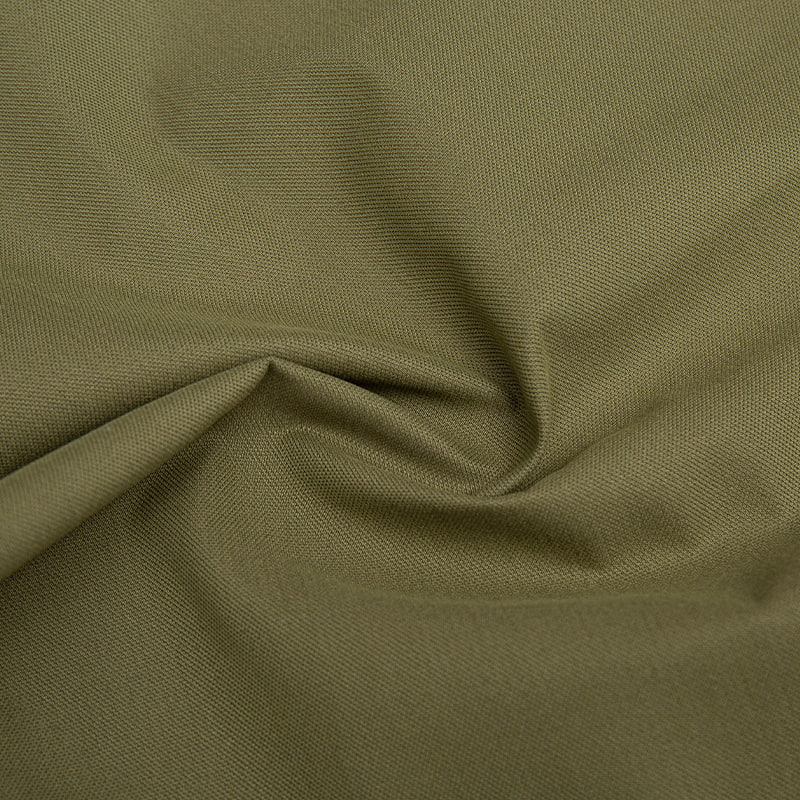
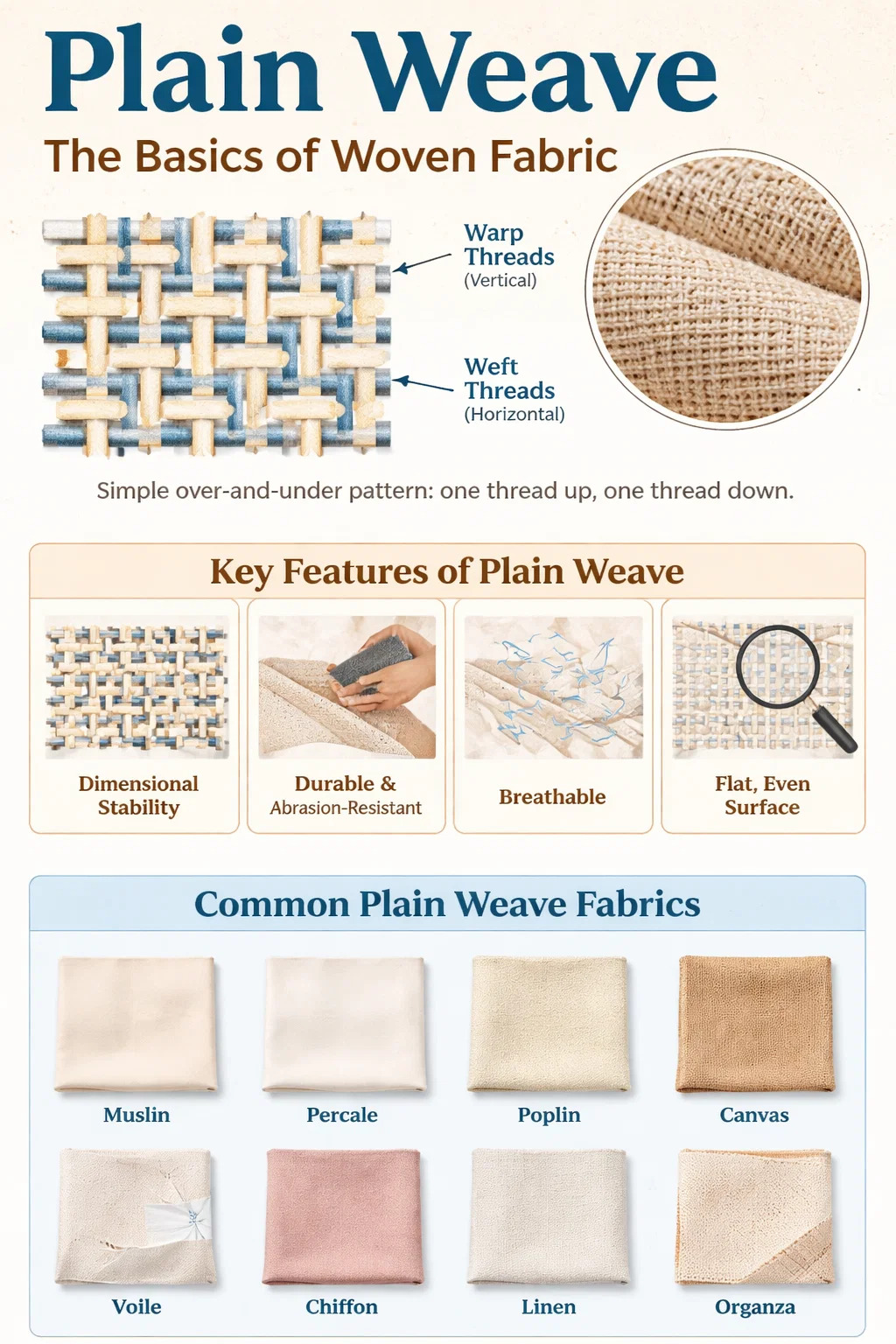
The most basic woven fabric is plain weave fabric—a textile made by interlacing warp threads (running lengthwise) and weft threads (running crosswise) in a simple alternating over-and-under pattern. Every weft thread passes over one warp thread, then under the next, across the full width of the fabric. The following row reverses this sequence. This creates the tightest, most uniform, and most stable of all woven structures, and it is the starting point for understanding how all woven fabrics are constructed.
Woven fabric as a category is defined by this fundamental process: two sets of threads crossing each other at right angles on a loom. Every fabric produced this way—from the lightest silk organza to the heaviest cotton canvas—follows the same structural logic. What changes between fabrics is the fiber, the yarn weight, the thread count, the weave pattern, and the finishing process. The weave itself is the foundation from which all variation begins.
Content
- 1 How Plain Weave Works: The Building Block of Woven Fabric
- 2 Core Properties of Basic Woven Fabric
- 3 Common Types of Basic Plain Weave Fabric
- 4 Plain Weave Variations: Basket Weave and Rib Weave
- 5 The Role of Fiber in Basic Woven Fabric
- 6 Thread Count in Basic Woven Fabric: What It Actually Means
- 7 How Basic Woven Fabric Differs From Knit Fabric
- 8 The Grain of Woven Fabric and Why It Matters
- 9 Finishing Processes That Transform Basic Woven Fabric
- 10 Practical Guide to Identifying Basic Woven Fabric
- 11 Applications of Basic Woven Fabric Across Industries
How Plain Weave Works: The Building Block of Woven Fabric
Plain weave operates on a 1/1 interlacement ratio—one thread up, one thread down, repeated across every row. This means every warp and weft thread crosses every opposing thread, producing the maximum number of interlacement points possible in any weave structure. No other weave binds threads together as frequently, which is why plain weave fabric is typically the most stable and resistant to distortion.
On a loom, two harnesses are all that is needed to produce plain weave. Half the warp threads are threaded through one harness, the other half through the second. When the first harness rises, a shed (an opening) is formed through which the weft thread passes. The harnesses then alternate with each pick (weft insertion). This simplicity makes plain weave the fastest and most economical weave to produce, which partly explains why plain weave accounts for an estimated 80% of all woven fabric manufactured globally.
The resulting fabric looks identical on both faces. There is no right or wrong side in terms of structure—both surfaces show an equal grid of warp and weft intersections. This makes plain weave fabric easy to work with in construction and sewing, since there is no need to track fabric orientation for structural reasons (only for printed or dyed surface designs).
Core Properties of Basic Woven Fabric
Understanding what plain weave fabric does well—and where it has limitations—helps clarify when it is the right choice and when a different fabric construction is needed.
Dimensional Stability
Because every thread is bound at every intersection, plain weave fabric resists stretching along the grain lines (warp and weft directions). There is minimal elongation under tension on-grain. This makes it ideal for applications where shape retention matters, such as shirt fabric, canvas, and quilting cloth. The bias direction (45 degrees to the grain) does have stretch, which tailors use deliberately when cutting curved seams.
Durability and Abrasion Resistance
The high frequency of thread interlacement distributes mechanical stress broadly across the fabric surface. No single thread bears disproportionate load. This contributes to good abrasion resistance relative to weaves with long yarn floats, such as satin. A standard plain weave cotton canvas can withstand thousands of abrasion cycles before showing wear.
Limited Drape
The tight interlacement that gives plain weave its stability also makes it stiffer than looser weave structures. Plain weave fabrics tend to hold their shape rather than draping fluidly. In light, sheer versions (chiffon, voile), this stiffness is minimal. In heavier versions (canvas, denim shirting), the fabric is quite rigid. Twill and satin weaves, with their fewer binding points, produce more fluid drape at equivalent fiber and weight.
Breathability
Plain weave fabric in natural fibers—cotton, linen, and wool—allows good air circulation when woven at moderate thread counts. Loosely woven plain weave (such as muslin or gauze) is among the most breathable fabric structures available. As thread count increases, air permeability decreases. A 600-thread-count sateen sheet is significantly less breathable than a 200-thread-count plain weave percale sheet of the same cotton fiber.
Ease of Printing and Dyeing
The flat, even surface of plain weave fabric takes dye and print evenly across its surface. There are no diagonal ribs or surface textures to distort print registration or create uneven dye uptake. This is one reason why most printed fabric—from screen-printed T-shirt fabric to digitally printed home furnishing textiles—uses a plain weave base.
Common Types of Basic Plain Weave Fabric
Plain weave is not a single fabric—it is a structural category encompassing hundreds of distinct fabric names. The differences between them arise from fiber content, yarn count, thread density, and finishing treatments rather than from any change in the weave itself.
| Fabric Name | Fiber | Weight / Thread Count | Typical Use |
|---|---|---|---|
| Muslin | Cotton | Light, 60–140 tc | Toiles, backings, craft base |
| Poplin / Broadcloth | Cotton, polyester, blend | Light–medium, fine rib | Dress shirts, blouses |
| Percale | Cotton | 200–400 tc | Bed sheets, pillowcases |
| Voile | Cotton, silk, polyester | Very light, sheer | Curtains, summer blouses |
| Chiffon | Silk, polyester | Very light, sheer, twisted yarn | Eveningwear, scarves |
| Organza | Silk, polyester | Light, crisp, sheer | Bridal, structured overlays |
| Taffeta | Silk, polyester, nylon | Light–medium, crisp | Formalwear, linings |
| Canvas / Duck | Cotton, linen | Heavy, dense | Bags, upholstery, shoes, art |
| Linen Fabric | Flax | Light to heavy | Garments, table linens, upholstery |
Each of these fabrics uses the identical 1/1 over-and-under weave structure. Muslin and canvas are both plain weave cotton; the difference between them is thread diameter and density, not any structural complexity. This is a critical point for anyone learning to evaluate woven fabric: the fabric name tells you about the end result, but the weave structure tells you about the underlying construction logic.
Plain Weave Variations: Basket Weave and Rib Weave
Two structural variations branch directly from plain weave while maintaining its fundamental alternating logic. Both are considered basic woven fabric constructions and appear in everyday textile products.
Basket Weave
Basket weave groups two or more warp threads and two or more weft threads together and weaves them as a single unit. A 2×2 basket weave passes pairs of weft threads over and under pairs of warp threads. The visual result resembles a woven basket—a checker pattern with small square blocks rather than a tight grid of individual threads. Oxford cloth, the standard fabric for button-down Oxford shirts, uses a 2×1 basket weave (two weft threads woven against one warp). This gives the fabric its characteristic soft hand and subtle texture while maintaining the structural simplicity of a plain weave derivative.
Basket weave fabrics are slightly less stable than true plain weave because the threads have more freedom to shift within their grouped positions. They compensate with a softer, more relaxed hand and better drape than an equivalent tightly woven plain weave.
Rib Weave
Rib weave creates ridges running in one direction across the fabric by using thicker yarns or by grouping threads in one direction only. Warp rib fabrics have ribs running horizontally (crosswise); weft rib fabrics have ribs running vertically (lengthwise).
- Poplin: A warp-faced plain weave with more warp threads per inch than weft threads, creating fine horizontal ribs. Widely used in dress shirts and uniform fabric.
- Grosgrain: A heavy rib weave with pronounced horizontal cords. Used in ribbons, hat bands, and garment trims.
- Ottoman: A weft rib fabric with heavy, rounded horizontal ribs created by thick weft yarns. Used in structured coats and upholstery.
- Faille: A lighter rib weave with flat, subtle horizontal ribs. Used in formalwear and jacket fabrics.
The Role of Fiber in Basic Woven Fabric
The fiber content of a woven fabric is as important as the weave structure in determining how the fabric behaves. The same plain weave structure produces radically different fabrics depending on whether it is woven in cotton, linen, silk, wool, or polyester.
Cotton
Cotton is the most widely used fiber in basic woven fabric. It is soft, breathable, dyes easily, and tolerates repeated washing without significant degradation. Cotton plain weave fabrics range from fine batiste (very light, used in heirloom sewing) to heavy canvas (used in bags, shoes, and outdoor furniture). Global cotton fabric production exceeds 25 million metric tons annually, with plain weave constructions representing the majority of that output. The fiber's absorbency—cotton can hold up to 27 times its weight in water—makes it practical for clothing worn next to skin.
Linen
Linen is woven from flax fiber and is one of the oldest woven fabrics in human history—linen fragments have been found in Swiss lake dwellings dating to approximately 8,000 BCE. Plain weave linen is crisp, strong, and highly breathable. It wrinkles easily but becomes softer with each wash. Its moisture-wicking properties make it a preferred fabric in hot climates for garments, bed linens, and table textiles.
Silk
Silk plain weave fabric—such as habotai (also called China silk or pongee)—has a natural sheen from silk's triangular fiber cross-section, which reflects light like a prism. Even a basic plain weave structure produces a luminous fabric when woven in silk. Habotai is one of the most common silk fabrics, used for linings, scarves, and lightweight blouses. It weighs between 5 and 16 momme (the unit of silk weight); heavier weights are more opaque and durable.
Wool
Plain weave wool fabrics include challis (lightweight, soft, with fluid drape), flannel (before napping), and wool georgette. Wool fibers have natural crimp that creates air pockets, giving wool insulating properties even in plain weave structures. Wool also has natural moisture management—it can absorb up to 30% of its weight in moisture vapor before feeling wet—making plain weave wool fabrics comfortable across a wide temperature range.
Polyester and Synthetic Fibers
Plain weave polyester is used extensively in linings, sportswear, and workwear. Polyester woven fabric resists shrinking and wrinkling, dries quickly, and holds color well. Taffeta (often polyester), chiffon (often polyester), and many suiting linings are plain weave polyester constructions. Polyester now accounts for over 50% of all fiber used in global textile production, with much of it going into basic plain weave constructions.
Thread Count in Basic Woven Fabric: What It Actually Means
Thread count refers to the total number of warp and weft threads in one square inch of woven fabric. A fabric with 100 warp threads and 100 weft threads per inch has a thread count of 200. This measure is most commonly discussed in the context of bed sheets but applies to all woven fabrics.
In a basic plain weave fabric, higher thread count generally means:
- Finer yarns are used (thinner threads allow more to fit per inch)
- The fabric surface is smoother and less textured
- The fabric is denser and less breathable
- The fabric may feel softer if fine-quality single-ply yarns are used
Thread count is not a reliable quality indicator on its own. A plain weave percale sheet at 200 thread count using long-staple Egyptian cotton single-ply yarn is higher quality and more durable than a 400 thread count sheet using short-staple cotton with 2-ply yarns (where each ply is counted separately, inflating the stated thread count). Quality depends on fiber length, yarn quality, and weave integrity—not thread count alone.
For reference, a typical cotton shirting fabric (poplin) runs at 60–80 threads per direction (120–160 total). A percale sheet runs at 180–200 per direction (360–400 total). A fine handkerchief linen might reach 120 per direction. Canvas fabric for bags may only have 10–20 threads per direction but uses very heavy yarns.
How Basic Woven Fabric Differs From Knit Fabric
Understanding woven fabric is easier when contrasted with knit fabric, since both are major textile categories but work on completely different structural principles.
| Property | Woven Fabric (Plain Weave) | Knit Fabric |
|---|---|---|
| Structure | Two yarn systems crossing at right angles | Single yarn looped in interlocking rows |
| Stretch on grain | Minimal (only on bias) | Significant in all directions |
| Fraying when cut | Yes, seam finishing required | Curls at edges, does not fray the same way |
| Drape | Structured, holds shape | Fluid, conforms to body |
| Typical uses | Shirts, trousers, dresses, home textiles | T-shirts, activewear, underwear, sweaters |
| Run or ladder risk | No | Yes (if a loop breaks, the column can run) |
These differences mean that woven and knit fabrics are suited to different garment types. Tailored jackets, structured trousers, and crisp dress shirts rely on woven fabric's stability. Activewear, form-fitting garments, and casual T-shirts rely on knit fabric's stretch and recovery. A knit dress shirt would lose its collar structure; a woven jersey top would restrict movement.
The Grain of Woven Fabric and Why It Matters
Grain refers to the direction of threads in a woven fabric and is one of the most practically important concepts for anyone working with woven textiles.
- Straight grain (lengthwise grain / warp): Runs parallel to the selvage. Warp threads are typically stronger and have the least stretch. Garments are usually cut with the straight grain running vertically to prevent distortion from gravity.
- Cross grain (weftwise grain): Runs perpendicular to the selvage. Has slightly more stretch than straight grain. Waistbands are sometimes cut on the cross grain to allow slight ease.
- Bias grain: Runs at 45 degrees to both warp and weft. This is the stretchiest direction in any plain weave fabric. Bias-cut garments—pioneered by designer Madeleine Vionnet in the 1920s—cling to and move with the body in a way that on-grain cuts cannot achieve.
Cutting woven fabric off-grain results in garments that twist, pull, or hang unevenly when worn. Checking grain alignment before cutting is a fundamental step in garment construction. In interior textile applications—curtains, upholstery—off-grain cutting causes panels to hang at an angle or patterns to appear skewed even when the fabric is hung straight.
Finishing Processes That Transform Basic Woven Fabric
A basic plain weave fabric that comes off the loom is called grey goods (or greige fabric). Before it reaches consumers, it typically undergoes several finishing processes that significantly alter its appearance and performance. These treatments are applied after weaving and do not change the weave structure itself.
- Scouring: Washing to remove natural oils, waxes, and processing residues. Raw cotton fabric turns from grey-beige to white after scouring and bleaching.
- Mercerization: Treatment of cotton fabric with sodium hydroxide under tension. This process swells the cotton fibers, increases dye uptake by 20–30%, and produces a permanent sheen. Mercerized cotton poplin has a noticeably lustrous, smooth surface compared to unmercerized cotton.
- Calendering: Passing fabric between heavy heated rollers to flatten and smooth the surface. Creates the crisp, polished surface seen in glazed cotton and chintz.
- Napping: Raising fiber ends on the surface using wire-covered rollers to create a soft, fuzzy surface. Cotton flannel starts as plain or twill weave and becomes flannel after napping.
- Sanforizing: A pre-shrinking process that compresses the fabric mechanically so that residual shrinkage after consumer laundering is reduced to less than 1%. Most ready-to-wear shirting fabric is sanforized.
- Wrinkle-resistant finishing: Application of resin finishes (typically formaldehyde-based or formaldehyde-free alternatives) that cross-link cotton fibers in a flat configuration. Used extensively in dress shirt and trouser fabric marketed as "easy care" or "non-iron."
- Water-repellent treatment: Application of durable water repellent (DWR) coatings, typically fluoropolymer-based, that cause water to bead and roll off the fabric surface. Used in outdoor and workwear plain weave fabrics.
These finishing steps explain why two fabrics with identical plain weave structure and identical fiber content can feel, look, and perform completely differently at the point of sale. The weave provides the skeleton; the finishing treatments determine much of what consumers actually experience.
Practical Guide to Identifying Basic Woven Fabric
Identifying whether a fabric is a basic plain weave—and understanding its fiber content—is a practical skill for anyone purchasing, sewing, or specifying textiles. Several simple tests and observations help.
Visual and Tactile Inspection
- Hold the fabric up to light. A plain weave should show a regular grid of crossing threads with no diagonal lines (which would indicate twill) and no long thread floats on the surface (which would indicate satin).
- Pull the fabric gently on the straight grain—it should have minimal stretch. Pull on the bias—it should stretch noticeably more. This confirms a woven structure versus a knit.
- Check the cut edge. Woven fabric frays; individual threads pull out along the cut edge. Knit fabric curls but does not fray in the same way.
Burn Test for Fiber Identification
A burn test on a small thread from the fabric edge helps identify fiber content when no label is available:
- Cotton and linen: Burn quickly with an orange flame, smell like burning paper, leave a soft grey ash that crumbles.
- Silk and wool: Burn slowly, self-extinguish, smell like burning hair, leave a crushable black bead or ash.
- Polyester: Melts and burns simultaneously, smells chemical/sweet, leaves a hard black bead that cannot be crushed.
- Nylon: Melts into a hard tan or grey bead, self-extinguishes, has a celery-like odor.
Blend fabrics show mixed burn behavior—a cotton-polyester blend, for example, burns with an orange flame but leaves a hard residue where the polyester melted. This test is a practical starting point when fiber content labeling is absent.
Applications of Basic Woven Fabric Across Industries
Plain weave and its close variations appear in virtually every industry that uses textile materials. The combination of structural simplicity, production efficiency, and reliable performance keeps basic woven fabric relevant across a wide spectrum of applications.
Apparel
The majority of formal and business clothing—dress shirts, trouser lining, blazer shell fabric, blouses—uses plain weave fabric. Cotton poplin (a plain weave rib variant) is the global standard for dress shirts. Lining fabrics in suits and jackets are almost universally plain weave, typically in acetate or polyester, chosen for their smooth surface that allows garments to slide on and off easily over other clothing.
Home Textiles
Percale (plain weave cotton at 200+ thread count) is one of the two dominant bedsheet constructions globally, alongside sateen. Muslin and voile are standard curtain and sheer panel fabrics. Canvas is used in director's chairs, outdoor cushion covers, and upholstery base fabric. Cotton duck (a tightly woven plain weave) is standard for slipcovers and casual upholstery.
Medical and Technical Uses
Plain weave gauze is the base fabric for surgical dressings, bandages, and wound care products. The open weave allows fluid to pass through while providing a physical barrier. In filtration, plain weave fabrics in synthetic or metal fibers form the filter media in air handling, liquid processing, and industrial separation equipment. The aperture size of a plain weave filter fabric can be controlled to within microns by adjusting yarn diameter and thread count, making woven fabric a precision filtration tool in pharmaceutical and food processing applications.
Art and Craft
Artist canvas—linen or cotton plain weave fabric stretched over a wooden frame—has been the primary painting surface in Western art since the 16th century, gradually replacing wooden panels. The plain weave provides a stable surface that accepts gesso primer and holds paint layers without cracking under the dimensional changes that a panel might experience. Linen canvas is preferred for fine art due to its strength and minimal response to humidity changes.
 PREV
PREV