English
How to Tie the Sides of a Shirt: Complete Style Guide
Content
- 1 The Quick Answer: How to Tie the Sides of a Shirt
- 2 Why Fabric Type Changes Everything About the Knot
- 3 Five Methods for Tying the Sides of a Shirt
- 4 Best Shirt Types for Each Tying Method
- 5 How to Tie a Button-Down Shirt Correctly
- 6 Knot Placement: Where on Your Body It Should Sit
- 7 Tying an Oversized Shirt: Managing Extra Fabric
- 8 Caring for Shirts After Tying: Preventing Permanent Creases
- 9 Styling the Tied Shirt: What to Wear It With
- 10 Common Mistakes and How to Fix Them
- 11 A Note on Woven Fabric vs. Knit Fabric: The Fundamental Difference
The Quick Answer: How to Tie the Sides of a Shirt
To tie the sides of a shirt, pull the two front hem corners away from your body, cross one over the other, and knot them just as you would tie shoelaces — either a single overhand knot for a casual look or a double knot for security. Position the knot at your natural waist or slightly above your hip bone, depending on how much midriff you want to show. That is the core technique, and it works on virtually any shirt style, though the results vary considerably based on fabric type, shirt length, and cut.
If you are working with a woven fabric shirt — a button-down, chambray top, or Oxford cloth shirt — the process requires a little more attention because woven fabric does not stretch. You need enough extra fabric at the hem to create a knot without pulling the shirt body out of shape. A shirt that fits true to size typically has between 3 and 5 inches of extra length below the natural waist, which is just enough to form a clean, flat knot at the front.
This guide walks through every method, every fabric scenario, and every shirt style so you can get a result that actually looks intentional rather than accidental.
Why Fabric Type Changes Everything About the Knot
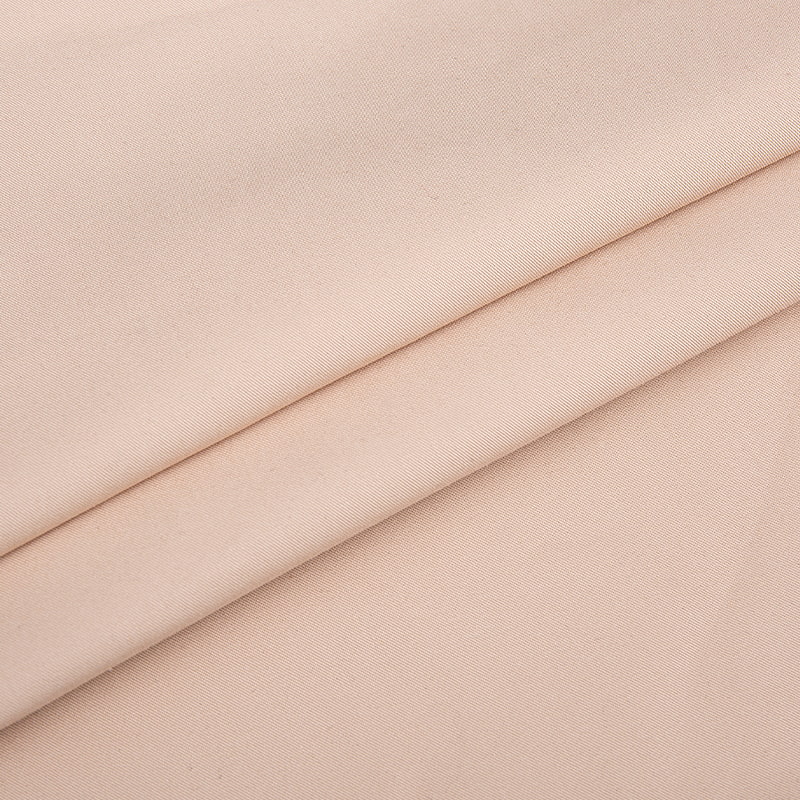
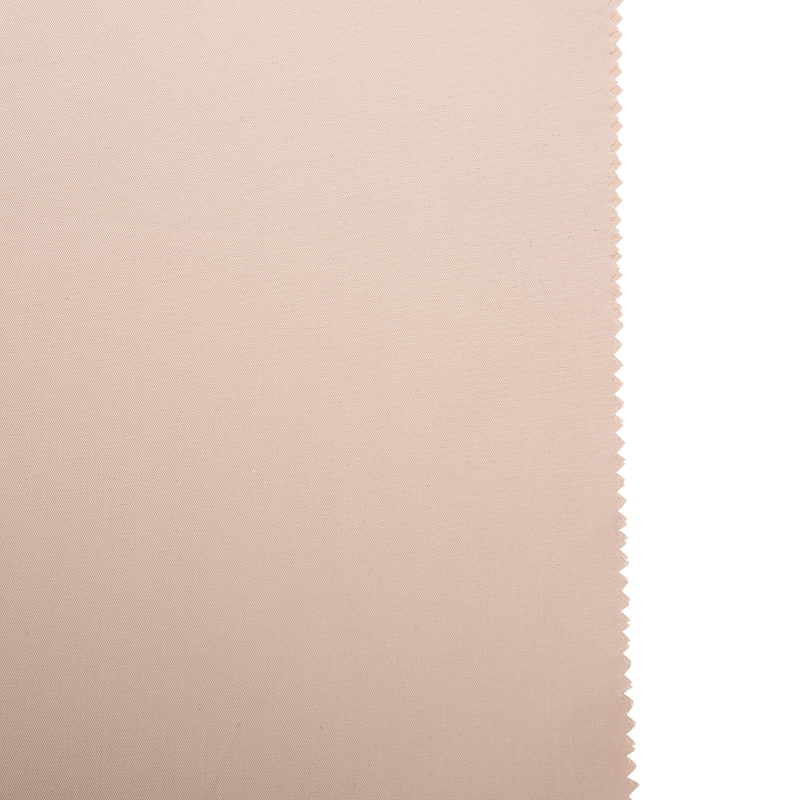
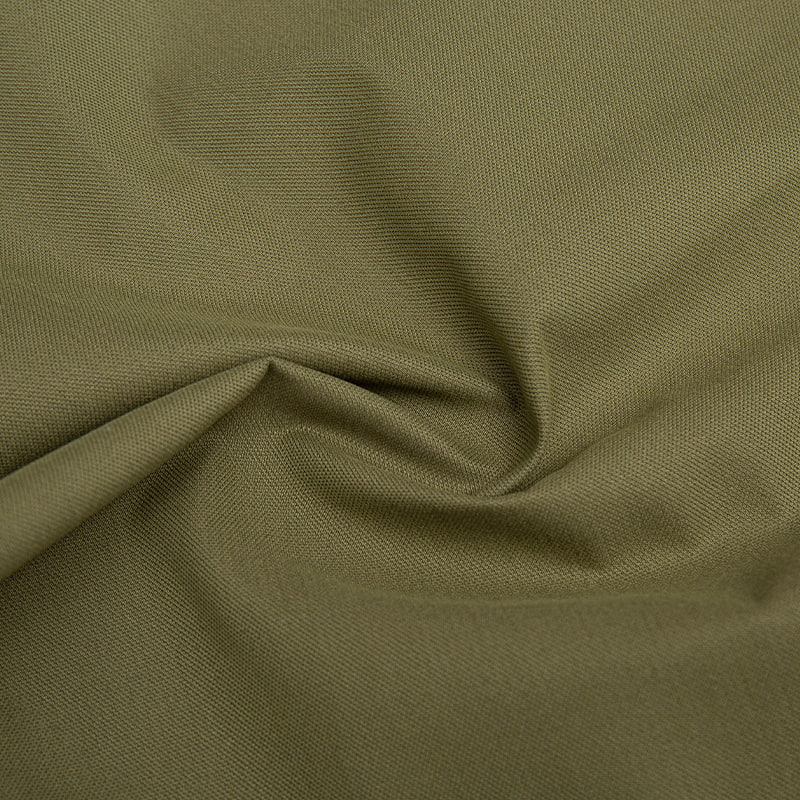
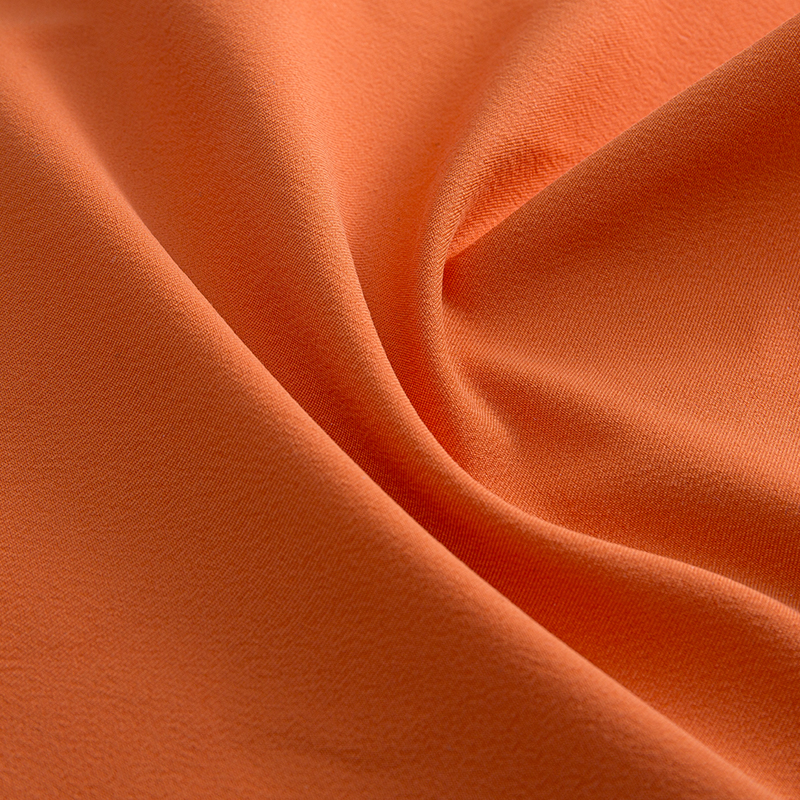
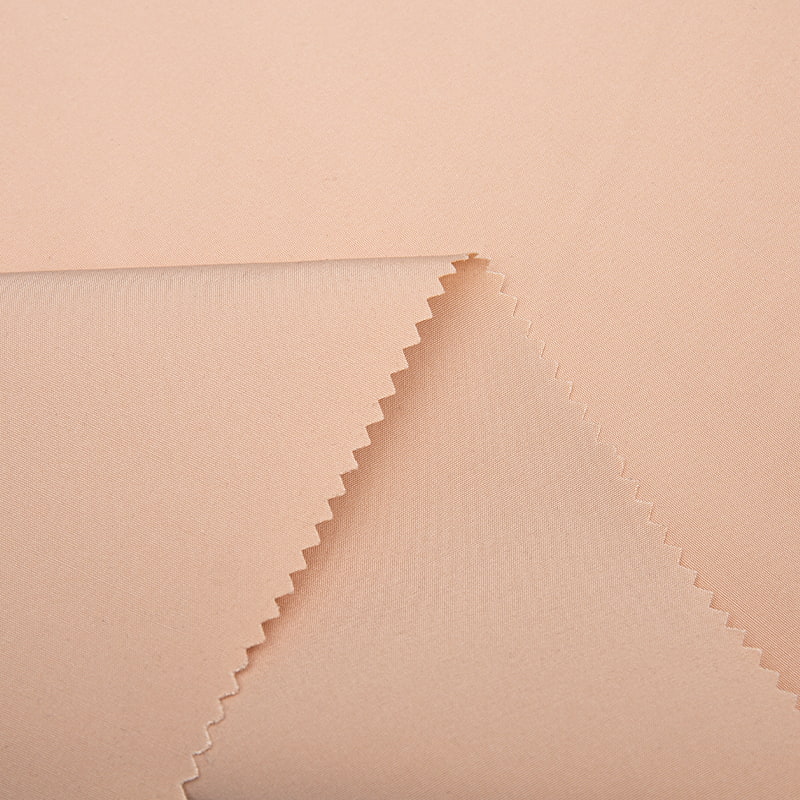
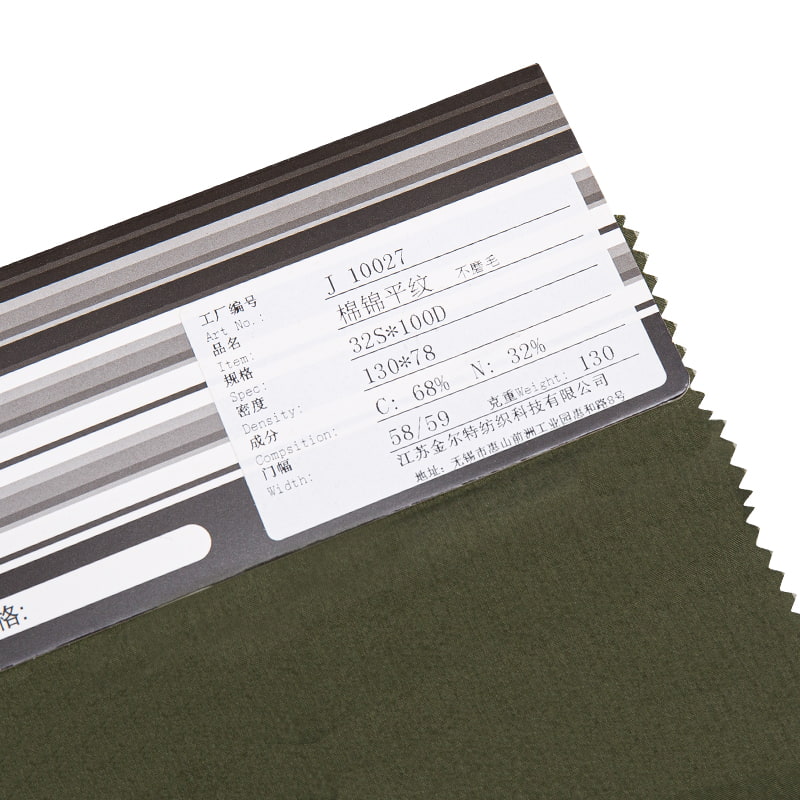
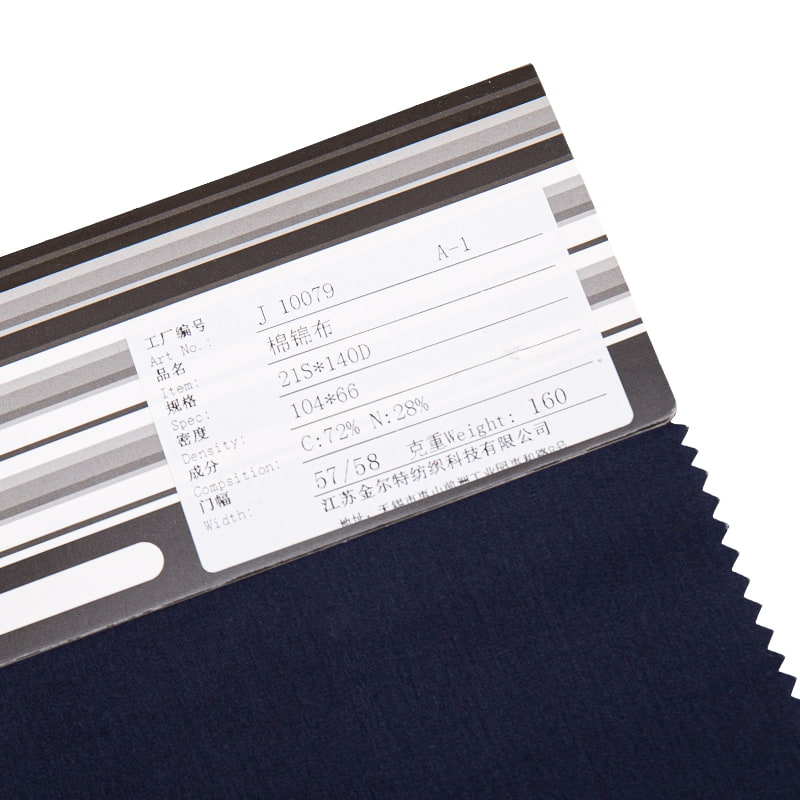
Before you attempt any tying method, it helps to understand why fabric construction matters so much. A shirt made from woven fabric — meaning threads interlaced at right angles on a loom — behaves completely differently from a jersey knit or a stretchy blend. Woven fabric has very little give in the vertical and horizontal directions, though it may have some diagonal stretch along the bias grain. This rigidity means a knot in a woven fabric shirt will hold its shape precisely but can also cause the shirt body to bunch, pull, or gap at the buttons if you gather too much material into the knot.
Common woven fabric shirts that people frequently tie include:
- Button-front cotton Oxford shirts
- Chambray shirts and lightweight denim shirts
- Linen shirts and linen-blend tops
- Flannel shirts (plain weave or twill weave base)
- Satin-weave blouses and poplin tops
- Rayon challis and viscose woven tops
Because woven fabric does not spring back after stretching, any knot you tie will crease the fabric at the gathering point. On lightweight poplin or rayon, this crease relaxes quickly. On heavier cotton twill or linen, the crease may remain even after washing, particularly if you leave the knot tied for several hours. If you care about fabric preservation, untie the shirt before putting it in the laundry and smooth the knot area flat before it goes in the dryer or onto a drying rack.
Knit fabrics — T-shirts, jersey tops, stretchy blends — are much more forgiving. They stretch to accommodate the gathering, and the knot area bounces back after washing. If you are new to tying shirts, practicing on a knit top first gives you a better feel for placement before you move on to more structured woven fabric pieces.
Five Methods for Tying the Sides of a Shirt
There is more than one way to tie a shirt, and each method creates a different visual effect. The right choice depends on your shirt's fabric, its length, and the overall look you are going for.
Method 1: The Classic Front Knot
This is the most common technique and works on nearly every shirt style.
- Put the shirt on and leave the bottom two or three buttons undone, or simply gather the hem corners if the shirt is already fully buttoned.
- Pull both front hem corners outward and away from your torso so you have two distinct fabric tails.
- Cross the right tail over the left tail, then pull the right tail underneath and through — exactly like the first step of tying a shoelace.
- Pull both tails firmly to tighten the knot against your body.
- For a more secure knot that stays put during activity, repeat the crossover step to create a double knot.
- Adjust the knot position up or down on your torso until it sits where you want it.
On a woven fabric button-down, keep the tails short — ideally no more than 4 to 5 inches of fabric per side going into the knot. Longer tails create a bulkier knot that sits away from the body and looks less polished.
Method 2: The Side Knot
Instead of knotting at the center front, you gather fabric from one side of the shirt and tie it off to the side of your waist. This method works particularly well on oversized shirts and button-downs with longer tails on one side than the other.
- Leave the shirt open or buttoned, then gather a section of the hem on one side — usually the right side — between your fingers.
- Twist the gathered fabric two or three times to form a rope-like coil.
- Loop the twisted section back on itself and pull the end through the loop to form a simple knot.
- Position the knot just above your hip bone on the same side you gathered from.
A side knot works well on heavier woven fabric shirts like flannel or denim because you are only gathering fabric from one area rather than pulling the entire hem across your body. This reduces the risk of stressing the seams or distorting the shirt's shape.
Method 3: The Bow Tie Front
This is the front knot taken one step further, with a decorative bow formed at the end. It suits lightweight woven fabric blouses, satin tops, and rayon shirts particularly well because those fabrics drape into a neat bow without looking stiff.
- Complete the first overhand knot exactly as described in Method 1.
- Instead of pulling the tails straight through a second time, fold each tail back on itself to create two loops.
- Cross the loops and pull one through the other to form a bow.
- Adjust the loops so they are roughly equal in size and the bow sits flat against your waist.
Avoid this method on thick or heavily structured woven fabric — canvas, heavy denim, or double-layered cotton — because the loops will be too bulky to form a tidy bow and will tend to stick out awkwardly from your body.
Method 4: The Tucked Knot
This method is ideal when you want the silhouette of a tied shirt but with a cleaner, less visible knot. It is especially useful for woven fabric shirts worn in more formal settings — a tucked knot on a light linen shirt over tailored trousers, for instance, creates a relaxed-polished combination.
- Tie the front knot as described in Method 1, but make the tails very short — just 2 to 3 inches per side.
- After tightening the knot, tuck the two short tails up into the knot itself so they are hidden from view.
- Smooth the knot with your fingers so the surface is as flat as possible.
The result is a compact, rounded gather at the center front rather than a loose knot with dangling tails. It suits situations where the knotted look is desired but a more minimal aesthetic is preferred.
Method 5: The Hair Tie or Elastic Method
This is not technically tying fabric to fabric, but it achieves the same visual result with less stress on the shirt's hem — particularly useful for delicate woven fabric blouses or shirts you do not want to crease.
- Gather the front hem of the shirt at the point where you want the knot to sit.
- Wrap a small, clear elastic hair tie or a shirt-tying elastic around the gathered fabric three to four times until it holds securely.
- Pull a small loop of fabric through the elastic from below to create the appearance of a fabric knot on top.
- Arrange the fabric around the elastic so it is completely hidden.
This method is widely used by stylists on photo shoots because it holds the shirt in precisely the right position without permanently stressing the fabric. For delicate silk-weave blouses or fine cotton voile — both woven fabric constructions that crease badly — this technique preserves the garment while still achieving a modern, gathered front look.
Best Shirt Types for Each Tying Method
Not every method suits every shirt. The table below summarizes which techniques work best for common shirt styles, including notes on woven fabric constructions.
| Shirt Type | Fabric Construction | Best Method | Avoid |
|---|---|---|---|
| Button-down Oxford | Woven fabric (plain weave) | Classic front knot, tucked knot | Bow tie (too stiff) |
| Chambray or denim shirt | Woven fabric (twill weave) | Side knot, classic front knot | Bow tie, elastic method |
| Linen shirt | Woven fabric (plain weave) | Tucked knot, side knot | Bow tie (creases badly) |
| Satin or silk blouse | Woven fabric (satin weave) | Bow tie, elastic method | Tight double knot |
| Rayon or viscose top | Woven fabric (plain or twill) | Classic front knot, bow tie | Side knot (uneven drape) |
| Cotton T-shirt | Knit fabric | All methods | None — very forgiving |
| Flannel shirt | Woven fabric (twill weave) | Side knot, classic front knot | Bow tie |
How to Tie a Button-Down Shirt Correctly
A button-down shirt is the most common candidate for the tied-front look, and it is also the one where most people make mistakes. Because these shirts are made from woven fabric cut to a structured pattern — with separate front panels, side seams, and a carefully shaped hem — gathering the fabric incorrectly can pull the placket out of alignment and create gaps between the buttons.
Follow these steps for the cleanest result:
- Button the shirt fully first. Start with all buttons done up so the placket lies flat. This gives you an accurate sense of where the hem falls and how much extra length you have to work with.
- Undo the bottom two buttons. On most men's and women's button-downs, undoing the bottom two buttons frees up 4 to 6 inches of hem length — enough to form a knot without straining the remaining buttons above.
- Pull the two front panels apart. Separate the left and right front panels at the hem so you have two distinct fabric tails to work with.
- Cross right over left. Bring the right tail across the front of your body and lay it over the left tail.
- Tuck under and pull through. Push the right tail underneath the left tail and back up through the gap, exactly like the first half of a shoelace knot.
- Tighten and adjust. Pull both tails outward simultaneously to tighten the knot. Slide it up or down your torso until it sits at the point that looks most balanced with your proportions.
- Check the placket. Look in a mirror and confirm the button placket is still lying flat and the remaining buttons are not pulling open. If they are, loosen the knot slightly and move it lower on your torso.
One practical tip: if your shirt has a curved hem — where the front is shorter than the back, which is standard on most button-downs — you will have more fabric to work with at the sides than at the center front. Use the side panels rather than the very front edge of the placket to form the knot. This distributes the gathering more evenly across the woven fabric and reduces the chance of distorting the front panels.
Knot Placement: Where on Your Body It Should Sit
Placement is the single factor that most affects whether a tied shirt looks deliberate and stylish or sloppy and accidental. The same knot moved two inches up or down can completely change the proportion of an outfit.
Here are the three primary placement zones and what each achieves:
At the Natural Waist
The natural waist is the narrowest part of your torso, typically 1 to 2 inches above your navel. A knot placed here defines your waist and creates an hourglass silhouette. This placement works best on longer shirts — those that fall to the mid-hip or below — because there is enough shirt length above and below the knot to balance the look visually. On shorter shirts, a natural-waist knot can leave very little fabric below, making the shirt look more like a crop top than intended.
Just Above the Hip Bone
Placing the knot at the top of the hip bone — roughly 2 to 3 inches below the natural waist — is the most universally flattering position. It creates a slight crop effect, elongates the leg line when paired with high-waist bottoms, and works with both relaxed and structured shirts. Most style guides recommend this as the default placement precisely because it suits the widest range of body proportions and shirt lengths.
Low at the Hem
A very low knot — one that sits close to the original hem level — gives the shirt a more casual, barely-tied look. This placement is common with oversized shirts and works well when you want a relaxed feel without significantly altering the shirt's length. On a woven fabric shirt, a low knot requires very little gathering, which means less stress on the fabric and fewer wrinkles at the knot point.
Tying an Oversized Shirt: Managing Extra Fabric
Oversized shirts — whether intentionally bought large or borrowed from someone else's wardrobe — present a specific challenge: there is too much fabric, and simply tying the front corners together leaves a messy, bunched result.
The solution is to reduce the fabric before knotting. Here is a method that works consistently on oversized woven fabric shirts:
- Put the shirt on and button it fully.
- Grip the excess fabric on each side of your torso — the fabric that is hanging away from your body — and pinch it back toward the side seam.
- Hold that pinched fold in place with one hand while you undo the bottom two or three buttons with the other.
- Pull the now-reduced front panels forward and knot them as described above.
- Let go of the side folds. The knot should now hold the shirt closer to your body with far less bulk than if you had knotted it without first reducing the side fabric.
Alternatively, if you regularly tie oversized shirts, consider a few minutes with a sewing machine or fabric tape to take in the side seams by 1 to 1.5 inches before tying. This gives a much cleaner result because the woven fabric lies closer to your body before the knot is even formed.
Caring for Shirts After Tying: Preventing Permanent Creases
One concern that comes up repeatedly with woven fabric shirts is whether tying them causes lasting damage or permanent creases. The honest answer is: it depends on the fabric and how long the knot stays tied.
Lightweight woven fabric — cotton voile, rayon challis, polyester crepe — tends to release creases easily, especially with steam. Heavier woven fabric — cotton canvas, thick linen, heavyweight denim — holds creases for longer and may require pressing or washing to remove the knot mark fully.
To minimize the risk of permanent damage:
- Untie the shirt before washing. Never put a knotted woven fabric shirt in the washing machine while still knotted. The agitation cycle sets the crease deep into the fibers.
- Smooth the fabric flat immediately after untying. Run your fingers along the knot area to relax the fibers while the fabric is still warm from your body heat.
- Use a steam iron or garment steamer on the knot area. A few seconds of steam followed by light pressure removes most crease marks from woven fabric shirts.
- Hang the shirt immediately after washing. Hanging while damp allows the weight of the fabric to pull creases out naturally as it dries.
- If you wear the same shirt tied on multiple consecutive days, vary the knot position slightly each time so the same area of fabric is not repeatedly stressed.
For delicate fabrics like silk-weave or fine cotton lawn — both woven fabric constructions — the elastic hair tie method described earlier is the best way to achieve the tied look with minimal impact on the garment.
Styling the Tied Shirt: What to Wear It With
A tied shirt changes your silhouette in a specific way — it shortens the shirt's visual length, cinches the waist or hip area, and often exposes a strip of skin or the waistband of whatever you are wearing underneath. Choosing the right bottom half makes a significant difference in how the overall outfit reads.
High-Waist Jeans and Trousers
High-waist bottoms complement a tied shirt extremely well because the waistband sits close to or at the same level as the knot, creating a continuous, clean line across the midsection. A tied woven fabric Oxford button-down with high-waist straight-leg jeans is one of the most consistently wearable combinations across a wide range of body types and occasions.
Midi and Maxi Skirts
Tying a loose woven fabric shirt over a long skirt creates a strong contrast between the shirt's gathered, structured top half and the skirt's flowing length. This combination works especially well with linen and rayon woven fabric shirts because both fabrics share a similar relaxed, organic quality that complements natural-fiber skirts.
Shorts and Mini Skirts
A tied shirt over shorts is a summer staple. When the shirt is made from a lightweight woven fabric — chambray, cotton poplin, or thin linen — it stays cool and breathable while the tied front keeps the look neat rather than shapeless. Match the fabric weight to the activity: a fine poplin woven shirt is appropriate for a casual lunch out, while a heavier chambray is better for outdoor activities where the fabric might take some wear.
Over a Dress
Tying a shirt over a dress is a layering technique that adds texture and structure to an otherwise straightforward outfit. A denim or flannel woven fabric shirt tied loosely over a slip dress, with the knot positioned low at the hem, creates an effortless layered look that works across most casual and smart-casual settings.
Common Mistakes and How to Fix Them
Most problems with tied shirts come down to a handful of recurring errors. Here is what typically goes wrong and the straightforward fix for each.
- The knot keeps slipping down: This usually means the knot is not tight enough. On woven fabric, which has no stretch to grip the knot, you need to pull the tails firmly and evenly as you tighten. A double knot also holds better than a single on smooth woven fabric like poplin or satin.
- The knot looks bulky and messy: Too much fabric is going into the knot. Shorten the tails — aim for no more than 3 to 4 inches per side — and try the tucked knot method to minimize visible bulk.
- The shirt buttons are pulling open above the knot: The knot is positioned too high or too tight. Move it lower on your torso and loosen the gathering slightly. On a woven fabric button-down, the placket is the most structurally rigid part of the shirt; knotting too close to the lowest remaining button puts tension on that button's attachment point.
- The knot sits off-center: This happens when one tail is significantly longer than the other before you begin. Before knotting, hold both tails out in front of you and trim or fold one down so they are equal in length.
- The fabric wrinkles heavily at the knot point: On heavier woven fabric, this is partly unavoidable. Minimize it by using the lowest possible knot placement, keeping tails short, and using the elastic method on particularly crease-prone fabrics like linen.
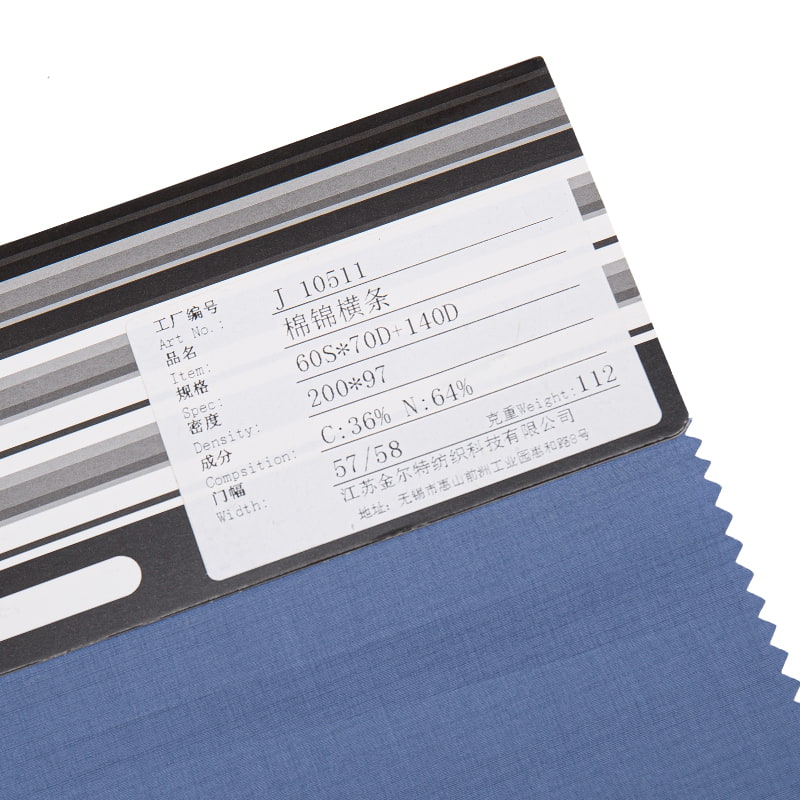
A Note on Woven Fabric vs. Knit Fabric: The Fundamental Difference
It is worth taking a moment to clearly explain what woven fabric is and why it behaves differently from knit fabric when tied, because this distinction affects nearly every decision in this guide.
Woven fabric is produced by interlacing two sets of yarns — the warp (running lengthwise) and the weft (running crosswise) — at right angles to each other on a loom. The result is a stable, dimensionally consistent fabric that resists stretching in the length and width directions. Common woven fabric constructions include plain weave (used in poplin, muslin, and chambray), twill weave (used in denim, chino, and flannel), and satin weave (used in sateen and silk satin). Because woven fabric does not stretch significantly, it creases when compressed and holds that crease until the fibers are relaxed by steam, washing, or time.
Knit fabric is produced by interlocking loops of yarn — essentially a mechanized version of hand knitting. The looped structure gives knit fabric significant stretch in multiple directions, and it springs back after being pulled or compressed. T-shirts, sweatshirts, and athletic tops are typically made from knit fabric. Knit fabric is far more forgiving when tied because it stretches to accommodate the gathering and recovers after the knot is removed.
The practical takeaway is simple: when tying a woven fabric shirt, use less fabric in the knot, position the knot lower on the torso, and untie it before washing. When tying a knit shirt, you have much more freedom — more fabric in the knot, higher placement, and the shirt will generally recover fully in the wash regardless.
 PREV
PREV